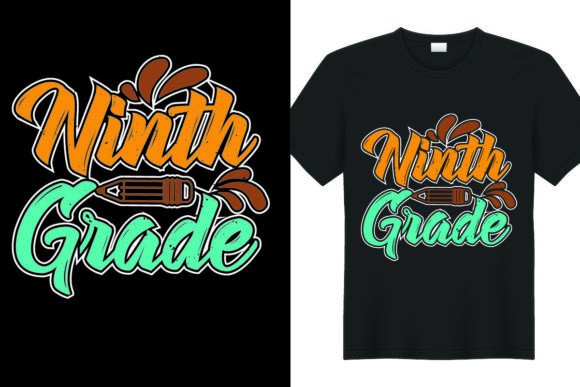
Back to School Ninth Grade
Back to School Ninth Grade is a versatile design resource that helps students and educators create engaging visual content for the start of the school year. Whether you're preparing materials for a classroom, designing promotional items, or creating digital assets, this collection offers a range of formats to suit different needs.
The package includes one .zip file containing three key file types: an SVG file, a PNG file, and an EPS file. Each format has its own advantages, making it easy to use in various design projects. Understanding these formats can help you make the most of what Back to School Ninth Grade has to offer.
Understanding the File Types
The SVG (Scalable Vector Graphics) file is ideal for digital projects that require high-quality, scalable images. It works well with graphic design software like Adobe Illustrator or online tools that support vector graphics. This format ensures your designs look sharp on any screen size, making it perfect for websites, social media, or digital presentations.
The PNG (Portable Network Graphics) file is a raster image format that supports transparency. This makes it great for adding backgrounds, overlays, or custom elements to your designs. PNG files are widely used in web design, marketing materials, and digital illustrations. They maintain clarity and quality, even when resized, which is useful for both online and print applications.
The EPS (Encapsulated PostScript) file is a vector-based format commonly used in professional printing. It allows for high-resolution output and is compatible with many design programs. If you're planning to print materials like posters, flyers, or brochures, the EPS file ensures your design remains crisp and clear at any size.
Why Back to School Ninth Grade Matters
For students, teachers, and educators, Back to School Ninth Grade provides a practical way to enhance learning experiences. It can be used to create visual aids, study guides, or interactive lesson plans. The design elements included in the package help make educational content more engaging and visually appealing.
Professionals and entrepreneurs can also benefit from this resource. Whether you're launching a new product, creating marketing materials, or developing a brand identity, having access to high-quality design files streamlines the process. The versatility of the included formats means you can adapt the designs to fit your specific needs without compromising quality.
Practical Use Cases
One common use for Back to School Ninth Grade is in classroom settings. Teachers can use the design elements to create eye-catching posters, handouts, or digital slides. For example, a teacher might use the PNG file to add a background to a PowerPoint presentation, while the SVG file could be used to create a custom infographic about the school year.
Students can also use the files to create personal study tools. A ninth grader might use the EPS file to design a personalized planner or notebook cover. The ability to scale and edit the design makes it easy to customize for individual preferences and needs.
Businesses and marketers can leverage Back to School Ninth Grade for promotional campaigns. A local bookstore might use the SVG file to create a downloadable poster for back-to-school promotions. The PNG file could be used for social media posts, while the EPS file ensures high-quality prints for in-store displays.
Things to Consider Before Using
Before diving into using Back to School Ninth Grade, it's important to consider your specific needs and goals. Ask yourself what you want to achieve with the design files. Are you looking to create something for personal use, professional purposes, or educational activities?
Also, think about the tools you have available. If you're not familiar with design software, some of the file types may require additional steps to use effectively. However, many online platforms now support SVG and PNG files, making them more accessible for users of all skill levels.
Another consideration is the intended audience. If you're designing for students, the visuals should be age-appropriate and engaging. For professionals, the design should reflect a more polished and cohesive style. Understanding your audience helps ensure the final result meets expectations.
Getting Started with Back to School Ninth Grade
Getting started with Back to School Ninth Grade is straightforward. Once you've downloaded the .zip file, you can extract the contents and begin exploring the different file types. Many design programs allow you to open and edit SVG and EPS files directly, while PNG files can be easily imported into most graphic editors.
If you're new to design work, take some time to experiment with the files. Try using the PNG file as a background for a simple project, or import the SVG file into a design tool to see how it scales. The more you play with the files, the better you'll understand their potential.
Don't hesitate to reach out to communities or forums if you need help. Many designers and educators share tips and tricks for working with similar resources. You can also find tutorials online that explain how to use each file type effectively.
Maximizing the Value of Your Files
To get the most out of Back to School Ninth Grade, consider how you can integrate the designs into your workflow. For example, if you're creating a website, the SVG file can be used for icons or logos, while the PNG file can serve as a background or overlay. The EPS file can be used for print materials that require high resolution.
Combining the different file types can also lead to creative results. You might use the SVG file for a digital illustration, then export it as a PNG for a social media post. Or you could use the EPS file for a printed flyer and the SVG file for a digital version of the same design.
By understanding the strengths of each file type, you can tailor your approach to fit your specific needs. Whether you're working on a small project or a large-scale campaign, the flexibility of Back to School Ninth Grade makes it a valuable asset.