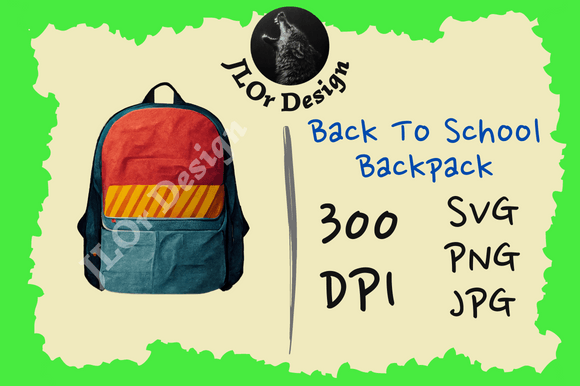
Three Color Backpack – Back to School
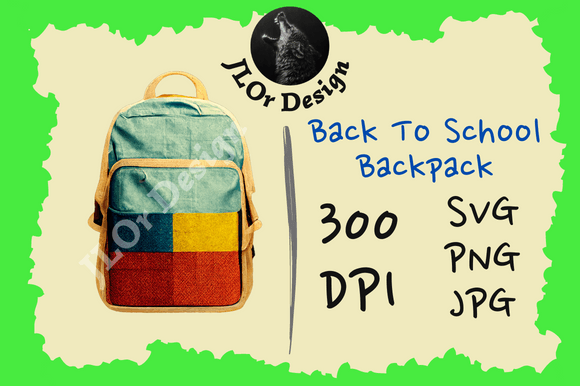
The Three Color Backpack – Back to School is a versatile digital design asset that serves as a powerful tool for visual communication in educational, marketing, and creative contexts. Whether you're preparing materials for a school campaign, designing promotional content, or creating custom graphics for personal use, this vector-based backpack illustration offers flexibility and clarity. Its clean lines and three-color palette make it an ideal choice for projects requiring a professional yet approachable aesthetic.
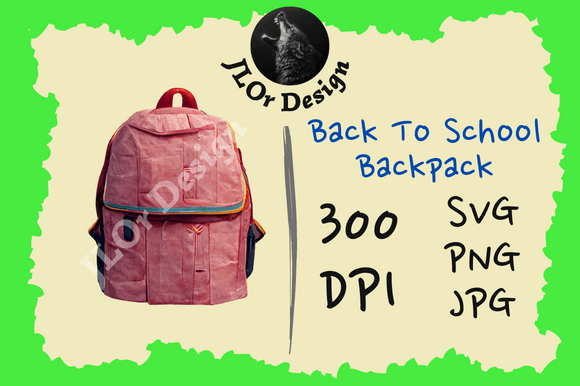
This digital file includes multiple formats—SVG, PNG with transparency, and JPG at 300 dpi—ensuring compatibility across different platforms and applications. The files are organized into folders within a ZIP archive, making it easy to locate and use the right format for your specific needs.
Understanding the Role of Three Color Backpack – Back to School
In the broader context of design workflows, the Three Color Backpack – Back to School functions as a foundational element that can be integrated into various stages of a project. It acts as a visual anchor for back-to-school themes, helping to establish a cohesive look across marketing campaigns, educational resources, and branding initiatives.
Before starting a project, having a well-defined visual asset like this can streamline the planning process. It provides a reference point for color schemes, style consistency, and layout decisions. During the execution phase, it can be used as a base for overlays, illustrations, or background elements. After the project is complete, it remains a valuable resource for future updates or related designs.
Integration Into Creative Workflows
For designers, educators, and marketers, the Three Color Backpack – Back to School can be seamlessly incorporated into existing creative tools and platforms. Its SVG format allows for scalable vector graphics that maintain quality at any size, making it ideal for print and digital media. The PNG version with transparency enables easy integration into layered compositions, while the high-resolution JPG ensures sharp output for printed materials.
When working with design software such as Adobe Illustrator, Canva, or Figma, the Three Color Backpack – Back to School can be imported and customized to fit specific project requirements. This adaptability makes it a valuable addition to any designer’s toolkit, especially when working on time-sensitive or multi-platform projects.
Practical Use Cases
One common use case for the Three Color Backpack – Back to School is in back-to-school marketing campaigns. Retailers, schools, and educational institutions often require consistent visual elements to promote products, events, or services. By using this design, teams can ensure a unified brand identity across brochures, social media posts, and website banners.
Another practical application is in educational content creation. Teachers, tutors, and e-learning developers can use the backpack illustration to create engaging visuals for lesson plans, study guides, or interactive modules. Its simplicity and clarity help convey information effectively without overwhelming the audience.
Freelancers and small business owners also benefit from the Three Color Backpack – Back to School. Whether designing for a client or creating content for personal branding, having access to high-quality, ready-to-use assets saves time and effort. It reduces the need for custom illustrations, allowing creators to focus on other aspects of their work.
Workflow Tips for Effective Implementation
To get the most out of the Three Color Backpack – Back to School, consider organizing your design process around its features. Start by identifying where the asset will be used—whether in print, web, or digital media. This helps determine which file format is most appropriate and ensures optimal results.
When working with the SVG file, take advantage of its scalability and editability. Adjust colors, add text, or combine it with other elements to match your project’s visual language. For the PNG version, use transparent backgrounds to layer the backpack over different textures or images without compromising clarity.
For the JPG format, always check the resolution and dimensions before finalizing any print or large-scale digital output. A 300 dpi setting ensures that the image remains sharp and professional, even when scaled up.
Ensuring Compatibility and Usability
Compatibility is a key factor when integrating the Three Color Backpack – Back to School into your workflow. The included file formats support a wide range of design and publishing platforms, making it accessible for both novice and advanced users. The organized folder structure within the ZIP file simplifies file management, reducing the risk of confusion or errors during the design process.
Usability is another important consideration. The backpack illustration is designed with simplicity in mind, allowing for quick and efficient use without sacrificing quality. Its three-color scheme also makes it easy to incorporate into different color palettes, ensuring it fits well with other design elements.
Long-Term Use and Maintenance
For long-term use, it's beneficial to keep the original files in a secure and organized location. This ensures that they remain accessible for future projects or revisions. Regularly backing up the ZIP archive helps prevent data loss and maintains the integrity of the design assets.
As trends evolve, the Three Color Backpack – Back to School can still be repurposed for new applications. Its timeless design and versatility allow it to remain relevant across different seasons, industries, and creative directions. By maintaining a library of such assets, professionals can quickly respond to changing demands without starting from scratch.
Conclusion: A Valuable Asset for Any Workflow
The Three Color Backpack – Back to School is more than just a design element—it's a practical tool that supports efficiency, consistency, and creativity in various workflows. Whether used in marketing, education, or personal projects, it offers a reliable and adaptable solution for visual communication. By understanding its role, integrating it effectively, and maintaining its accessibility, users can maximize its value and enhance their overall productivity.